
Custom logo USB drives usually cost between 2 and 6 USD per unit at 500 pieces. Here is what moves the price, what is included, and how to compare two quotes fairly.
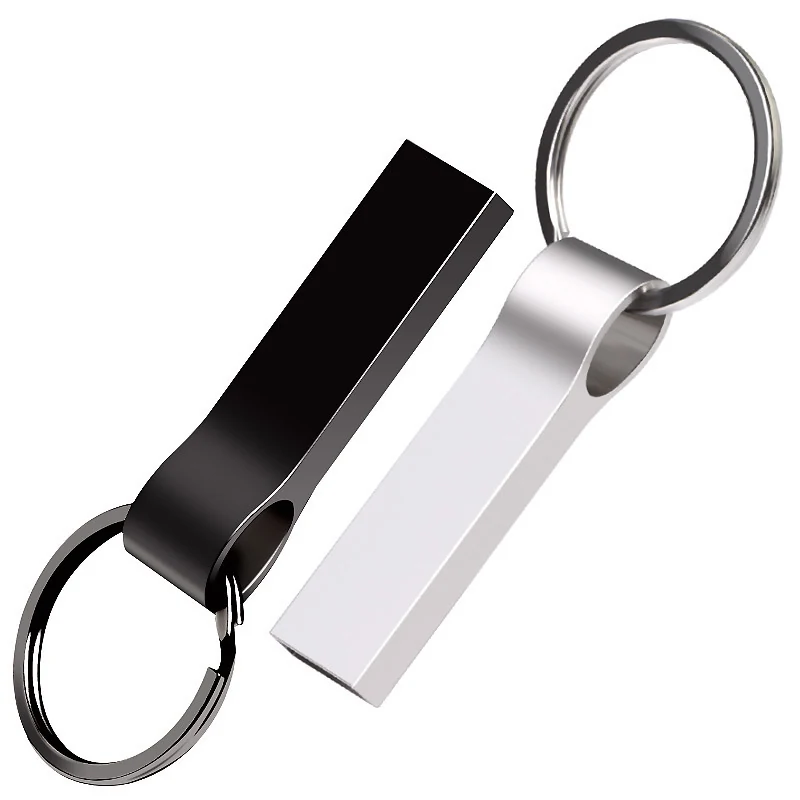
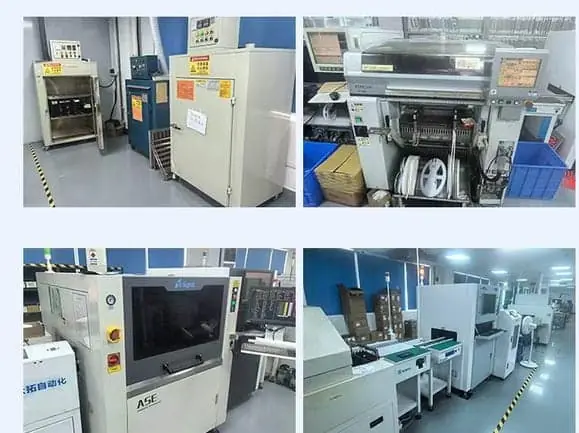
Custom logo USB drives from a Shenzhen factory typically cost 2 to 6 USD per unit at 500 pieces, depending on the body style, capacity, printing method and packaging. The single biggest line item is the NAND flash chip itself, which can double the price between 16GB and 128GB. Printing adds 0.10 to 0.50 USD per unit, custom packaging adds 0.30 to 2 USD, and tooling for a new shape is a one-time fee of 300 to 800 USD. Always compare quotes at your real reorder quantity, not the sample quantity, and check whether testing, freight and import duties are included. WINTEL supplies this from its own plant in Shenzhen, China.
The short answer: between 2 and 6 USD per unit at 500 pieces, for a standard body with custom logo, 8GB to 64GB, bulk packed.
I quote these every day, so let me be straight: the number you were quoted is probably missing something. Here is how to read a USB price like a buyer who has seen a few bad batches.
I know — that range is wide enough to drive a truck through. The problem is that “custom USB drive” means a hundred different things, and the price changes more than you would expect based on three small decisions.
This page breaks the quote down line by line, so you can see exactly where the money goes, what you can cut, and what is never worth saving on.
What you are actually paying for — five line items
Every custom USB quote is made of the same five pieces. The ratio changes, but the list does not.
| Line item | Typical share of a 500-piece order | What moves it |
|---|---|---|
| NAND flash chip | 55–70% | Capacity, grade (original / downgraded), and current market price |
| Controller + PCB + housing | 15–25% | Body style (plastic vs metal vs custom shape) |
| Printing or engraving | 5–12% | Number of colours, number of sides, method (screen / UV / laser) |
| Testing + QC | 3–8% | 100% full test vs sampling, and how many parameters are tested |
| Packaging + freight | 5–15% | Bulk bag vs retail box vs gift box, and destination country |
The NAND chip is always the biggest line item — and it is the one that moves the most between suppliers. If one quote is 30% cheaper than another and you cannot see why, it is almost always the chip grade.
How capacity moves the price
This is the number most people are surprised by. The chip does not scale linearly — doubling the capacity does not double the price.
| Capacity | Price index (16GB = 1.0) | What it is usually used for |
|---|---|---|
| 8GB | 0.8 | Event giveaways, simple document handouts |
| 16GB | 1.0 | The sweet spot for most promotional orders |
| 32GB | 1.3 | Photo booths, small software bundles, education kits |
| 64GB | 1.8 | Media kits, product catalogues with video |
| 128GB | 2.8 | High-res media, backup drives, large software |
| 256GB | 4.5 | Industrial and high-end media applications |
If you are on the fence between 16GB and 32GB, it is usually worth stepping up — the capacity is 2x for only about 30% more cost. Going from 64GB to 128GB is a bigger jump and worth checking whether anyone actually needs that much.
Printing methods, from cheapest to most expensive
People often ask for “printed logo” as if it is one thing. It is not — there are four common methods, and the price difference can be 5x.
| Method | Cost per unit | Best for | What to watch |
|---|---|---|---|
| Screen print | 0.10–0.30 USD | Solid colours, text, simple logos | Fine lines below 0.2 mm can bleed |
| UV print | 0.30–0.80 USD | Full-colour artwork, photos, gradients | More durable than screen but slightly raised surface |
| Laser engraving | 0.20–0.60 USD | Metal bodies, premium look | Permanent, but only on metal or dark plastic |
| Pad print | 0.25–0.50 USD | Curved surfaces, unusual shapes | Good for 3D bodies, limited to 1–2 colours |
| Full-colour sticker + doming | 0.80–2.00 USD | Full-colour + 3D effect | Looks premium but epoxy can yellow over years |
Most promotional orders land on screen print (one colour, flat surface) or UV print (multi-colour or photo). Laser is popular on metal bodies because it does not scratch off.
What is usually included (and what is not)
This is where two quotes that look the same can be 40% apart. Always check these five items.
| Included at WINTEL | Not automatically included |
|---|---|
| One-colour printing on one side | Custom retail packaging |
| 100% capacity and read/write test | Individual serial numbering or engraving |
| Standard bulk packing (poly bag + carton) | FBA labelling or custom carton marks |
| Lot code traceability on the carton | DDP delivery (duties and taxes paid) |
| One round of artwork adjustment | Rush production (express fee applies) |
If a quote is significantly cheaper than ours, go down this list and see what they left out. The most common omissions are full testing (they sample test instead), and DDP freight (they quote EXW and you get a surprise duty bill on arrival).
How to compare two quotes fairly
I see this every week — two quotes at “around 3 USD each” that are not the same product at all. Do the comparison properly:
- Compare at your real quantity, not the sample quantity. A 100-piece unit price and a 500-piece unit price are different numbers.
- Check the NAND grade. “Grade A” means nothing — ask for original, downgraded, or black die.
- Count the testing. 100% capacity test is not the same as “random QC check”.
- Add freight and duties. EXW + sea freight + duty is the real landed cost.
- Ask about reorder pricing. The first order pays for setup; the second one should be cheaper.
If two quotes are within 5% of each other on landed cost but one does 100% testing and the other does not, buy the tested one. The testing costs pennies per unit. A bad batch costs the order.
What you can do to bring the price down
If the quote came in higher than your budget, these are the levers that actually work — in order of how much they save.
- Drop a capacity tier. Moving from 64GB to 32GB saves more than any other single change.
- Switch from custom packing to bulk. A retail box can add 0.50–2 USD per unit.
- Reduce print colours. Going from four colours to one saves 0.20–0.50 USD per piece.
- Increase quantity by 50%. Fixed costs spread further; unit price drops 10–20%.
- Standardise the body. A catalogue body is always cheaper than a custom shape.
What does not work? Asking for “a better price” without changing anything. We are a Shenzhen factory, not a bazaar — the quote is the quote.
We are a Shenzhen flash factory, not a bazaar — the quote is the quote, and if I cannot hit your budget I will tell you which line to cut instead of quietly dropping the test.
Ready for a real number?
If you know what body, capacity and print you need, request a quote and I will send you a full breakdown within one working day — unit price, setup, freight to your door, and estimated ship date.
If you are not sure yet, tell me what the drives are for and I will suggest the right combination for your budget.
Frequently asked questions
What is the cheapest custom USB drive with a logo?
The cheapest option is a standard plastic body with one-colour screen print, 8GB or 16GB, in bulk packing. At 500 pieces expect around 2 USD per unit.
Is there a setup fee on top of the unit price?
Printing setup is usually included in the unit price for quantities above 50 pieces. A custom new mould has a separate one-time tooling fee of 300 to 800 USD.
Why do two suppliers quote such different prices for the same product?
Different NAND grades (original vs downgraded), different testing (100% vs sampling), different profit margins on the chip itself, and whether freight and duties are included all move the number.
Does the price go down if I order more?
Yes — the fixed costs (print plate, setup, paperwork) spread over more units. The chip price barely moves after 1,000 pieces, but the per-unit overhead keeps dropping.
Can I lock a price for orders over the next 6 months?
We can hold a price for 30 days from quote. Beyond that, NAND pricing moves and we have to re-quote. If you need a locked price, tell us the volume and we can structure a blanket PO.