
Southeast Asia looks like one easy market and is actually three different processes wearing the same shirt. Singapore is fast and low-duty, Malaysia layers a sales tax on top of duty, and the Philippines adds registration for some electrical goods and slower clearance. The product is identical — the landed cost and the paperwork are not.
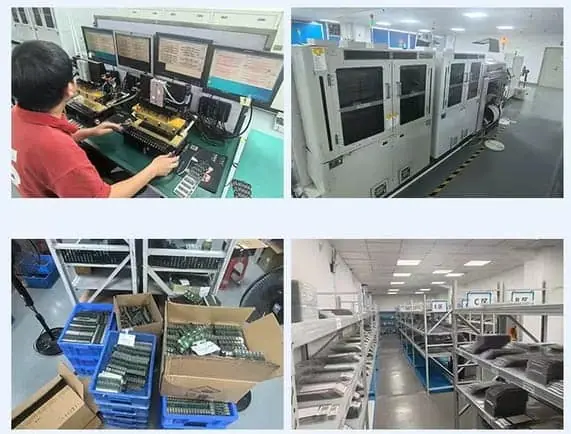
Treat Singapore, Malaysia and the Philippines as three separate import processes. Singapore is the simplest: minimal duty on most electronics and fast clearance. Malaysia adds a sales tax on top of duty, so the all-in number is higher than the tariff line suggests. The Philippines can require product registration for some electrical goods and generally clears slower. Identical goods, materially different landed cost and paperwork — quote per country.
The short answer
Southeast Asia looks like one market with one easy process. It is three processes wearing the same shirt.
| Market | Duty | Additional tax | Clearance | Registration |
|---|---|---|---|---|
| Singapore | Minimal on most electronics | GST applies | Fast, automated | Rarely an issue |
| Malaysia | Applies | Sales and service tax on top | Days to weeks | Usually none for passive devices |
| Philippines | Applies | VAT | Slowest of the three | Possible for some electrical goods |
Identical product. Materially different landed cost and paperwork. Quote per country, never per region.
Singapore: the easy one, with a catch
Singapore is a free-port economy with minimal duty on most electronics and a highly automated clearance process. Transit from southern China is short. For a first order into the region it is the least friction.
The catch is not customs — it is what happens after. If your buyer in Singapore then sells into Malaysia or the Philippines, that is a second import event in the destination market, with that market’s duty and tax. Shipping to Singapore and redistributing simplifies your paperwork, not your buyer’s landed cost.
If your buyer is a regional distributor, that may be exactly the right structure. If your buyer is an end user in Manila, routing through Singapore adds a step without removing one.
Malaysia: the tax-on-tax surprise
Malaysia is where landed-cost quotes most often go wrong, because the sales and service tax applies on top of customs duty, and it is calculated on a value that includes the duty.
The compounding is what catches people. A supplier who looks up the duty rate and quotes from it will understate the landed cost — sometimes by enough to erase the margin on a competitive bid.
Two practical rules:
- Ask the forwarder for the all-in figure, not the duty rate.
- Re-check before quoting, because rates and tax treatment change with policy cycles.
There is a second, quieter issue: Malaysia’s clearance is usually fine for a well-documented shipment and slow for a poorly documented one. The variable is your invoice, not the port.
Philippines: classification decides everything
The Philippines is generally the slowest of the three for a first shipment, and the reason is usually registration rather than transit.
Passive USB flash drives typically sit in a lighter category than mains-powered equipment. But the requirement turns on how the product is classified, and classification turns on what is in the box:
| Configuration | Category tendency |
|---|---|
| Bare USB flash drive | Lighter — usually straightforward |
| Drive with printed packaging, no power | Lighter |
| Drive bundled with a charger | Stricter — powered accessory |
| Drive bundled with a powered hub | Stricter |
A powered accessory in the same carton can pull the whole consignment into a stricter category. If your order includes anything powered, treat it as a different product for import purposes and confirm requirements before shipping.
One practical note on file systems
Whatever the destination, a pre-formatted FAT32 drive is the safest default for this region, because recipients plug giveaway and sample drives into whatever they own — older laptops, Android phones, car stereos. That is the same reasoning that applies to promotional drives handed to unknown devices, and it costs nothing to specify.
Why one invoice will not work
This is the mistake that costs the most time, because it looks efficient:
One invoice, three consignees, one HS code, one value.
It will be queried at at least one destination. Each country wants its own consignee, its own classification, and — in Malaysia’s case — its own tax treatment. A split invoice is not bureaucracy; it is the document each authority can act on.
Issue per-shipment documentation per destination, even when the goods are identical and left the factory on the same pallet. The same principle applies to the commercial side of a multi-destination order — see total delivered cost versus unit price for why a single landed figure across three countries hides the difference.
A scenario: the regional quote that lost money
A supplier quoted a Southeast Asian distributor a single landed cost for a three-country rollout, based on the Singapore duty rate because Singapore was the entry point.
Two-thirds of the volume was destined for Malaysia. When the goods arrived, the sales tax landed on top of duty, on a duty-inclusive value. The distributor’s landed cost came in materially above the quote.
The supplier honoured the price and absorbed the difference on the whole Malaysia portion — a loss that a single question to a forwarder would have avoided.
The next quote was per destination, with the all-in figure for each, and the distributor accepted it without argument because it was accurate.
A checklist before quoting Southeast Asia
- Which country is the actual destination — not the entry point?
- Is the buyer a distributor who will re-export, or an end user?
- Have you got the all-in duty and tax figure per country, not the duty rate?
- Does Malaysia’s sales tax sit on top of duty in your landed cost?
- Is anything in the carton powered, which changes classification?
- Does the destination require registration for this product?
- Is there one invoice per destination, with its own consignee?
- Is a certificate of origin worth the admin for this HS code?
- Does the promised date reflect the slowest of the three clearances?
The product ships the same way to all three. The cost and the paperwork do not.
Frequently asked questions
Which Southeast Asian market is easiest for a first shipment?
Singapore, by a clear margin. It is a free-port economy with minimal duty on most electronics, a highly automated clearance process and short transit from southern China. For a first order into the region, shipping to Singapore and redistributing is often simpler than opening three separate import files — but check whether your buyer's domestic sale then triggers a second import event in their market.
Does Malaysia charge tax on top of import duty?
Yes, and this is the most common landed-cost surprise. Malaysia applies a sales and service tax on top of customs duty for most goods, so the effective cost is higher than the duty rate alone suggests. It also means the tax is charged on a value that includes duty, which compounds. Ask the buyer's forwarder for the all-in figure on your HS code rather than calculating from the duty rate.
Does the Philippines require registration for USB drives?
It depends on the product and how it is classified. The Philippines has registration and certification requirements for certain electrical and electronic products, and a passive USB flash drive usually sits in a lighter category than mains-powered equipment. But the requirement turns on classification, and a product bundled with a charger or a powered accessory moves into a stricter category. Confirm with the buyer before shipping, and do not assume a lighter category means no requirement.
How long does clearance take in each market?
Singapore is typically days. Malaysia is usually days to a couple of weeks depending on documentation and port. The Philippines is generally the slowest of the three for a first shipment, particularly if registration or an additional permit is involved. Treat these as relative rather than absolute — your paperwork quality moves the timeline more than the country does.
Can I use one invoice and one set of documents for all three?
No, and this is where suppliers get caught. Each country requires its own commercial invoice with its own consignee, its own HS code interpretation and, in Malaysia's case, its own tax treatment. A single invoice covering three destinations will be queried at at least one of them. Issue per-shipment documents per destination, even when the goods are identical and leave the factory on the same day.
Is a certificate of origin worth getting for ASEAN shipments?
Often yes, if a preferential tariff arrangement applies to the goods and origin can be substantiated. The saving can be meaningful on higher-duty lines, though on low-duty electronics the admin cost may not justify it. Ask the buyer's forwarder whether the preference applies to your HS code before you commit to the paperwork — and never claim origin you cannot document.