
Probably not fake, and probably the wrong question. V30 only promises 30MB/s as a minimum, and nothing in that promise says for how long or how hot. A card that passes every bench test can still throttle after 30 minutes sealed inside a hot camera — and that's exactly when a dashcam drops frames. Tell the difference by testing sustained write hot and long, and specify for that instead of for a speed class alone.
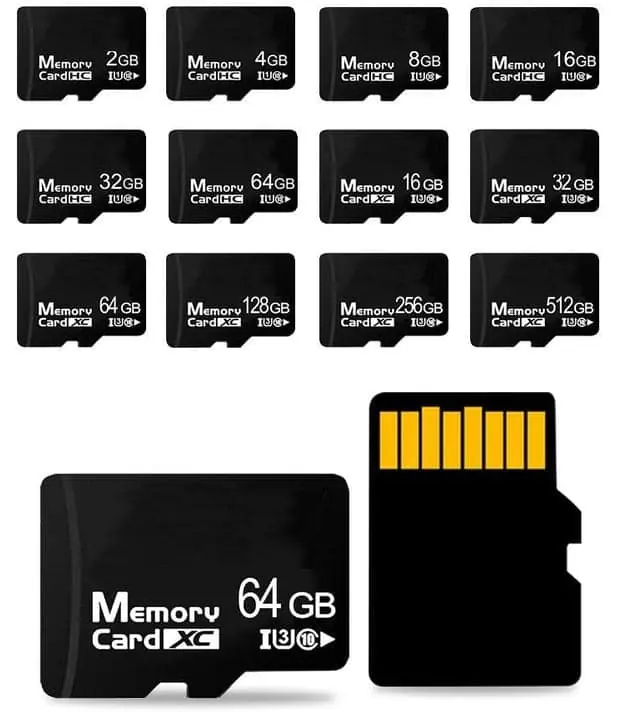
Frame drops after 30 minutes are rarely fake cards and rarely the wrong speed class — they're thermal throttling, which neither a capacity test nor a cold speed test reveals. A dashcam writes continuously into a sealed, warming body, and a controller that gets hot slows down to protect itself. The fix isn't a 'faster' card label; it's specifying sustained write measured over the full recording duration at the camera's operating temperature, and testing a sample that way before you buy.
The short answer
Probably not fake, and probably the wrong question.
V30 promises a 30MB/s minimum sustained write, measured under the SD Association’s defined conditions — which are not “sealed inside a hot dashcam for 40 minutes.” A card can meet V30 cold and still slow below 30MB/s once the controller heats up and protects itself. Frame drops are what happen when the write rate dips under the camera’s requirement mid-clip.
The class is real. It just isn’t measured the way you use the card.
Fake vs throttling: how to tell them apart
They feel similar — dropped frames, stutters — but they’re opposite problems with opposite tests.
| Fake / downgraded card | Thermal throttling | |
|---|---|---|
| Capacity test | Fails — reports more than it holds | Passes |
| Cold speed | May be fine | Fine |
| Hot, long write | N/A | Slows below requirement |
| What it means | You were sold a lie | You were sold a card tested the wrong way |
Test the suspect card two ways:
- Full write-and-read-back at capacity — catches fakes (data lost past the real limit).
- Long sustained write with temperature logged — catches throttling (slows only when hot).
If capacity is honest and it only slows when hot, it’s throttling, not a fake. Most dashcam frame-drop complaints are the second row.
Why the camera’s spec isn’t your spec
A dashcam writes continuously into a sealed, warming body. The card sits inside plastic, close to the image sensor and the processor, with almost no airflow. After 20–30 minutes, the controller is hot, and a hot controller slows down to protect the NAND.
The SD Association’s V30 test does not run that scenario. It measures a minimum under defined — and cooler — conditions. So a card that sails through certification can throttle exactly where your camera needs it not to.
This is why “but it’s V30!” doesn’t settle the argument. V30 is a floor measured cold. Continuous recording is a ceiling measured hot. They are not the same test, and your use is the second one.
A scenario: the 30-minute cliff
A buyer fits V30 cards rated for the camera. First 25 minutes of a recording: perfect. Around minute 30: dropped frames, then recovery, then drops again.
Capacity test on the card: passes. Cold speed: meets V30. The card is genuine.
What’s happening is the controller crossing its thermal threshold around minute 25–30 and throttling below the camera’s write requirement. The bench never saw minute 30, so the bench said “fine.”
The buyer didn’t get a bad card. They got a card tested the wrong way for their use.
What to specify instead
Don’t specify a class alone. Specify the behaviour:
Sustained write ≥ 30MB/s across a continuous 50GB write at the camera’s operating temperature (housing ≈ 50°C).
That one line forces the supplier to promise what your camera depends on, not a cold minimum the bench passes and the booth fails.
A higher class (V60, V90) helps — more headroom before throttling bites — but it’s still not a guarantee against a very hot throttle. Treat the class as the floor and the sustained-hot test as the proof.
Where a metal body earns its keep
Heat is the trigger, so anything that moves heat helps.
A metal-shell card or a metal card holder conducts heat away from the controller, delaying or softening throttling. It doesn’t raise the cold speed; it protects the sustained speed under load.
For continuous-recording uses, a cooler path is often more valuable than a higher number on the label. A supplier who offers a thermal curve — throughput and temperature together over a full recording — has solved your problem. One who only cites the class has not.
What to ask before you buy
- Is the card tested for sustained write, or just a speed class?
- Over what duration, and at what temperature?
- Can I see a 50GB hot-write curve, not a cold number?
- Does the card meet my camera’s requirement and my continuous-use condition?
- Is a metal shell or holder an option to reduce throttling?
The camera maker’s V30 is a floor. Your recording use is the real requirement. Specifying for the second is what stops the 30-minute cliff — and it has nothing to do with whether the card is fake.
Sources
Frequently asked questions
If the card is V30, why would it drop frames?
Because V30 promises a 30MB/s minimum sustained write, measured under the SD Association's defined conditions — which are not 'sealed inside a hot dashcam for 40 minutes'. A card can meet V30 cold and still slow below 30MB/s once the controller heats up and throttles. Frame drops are what happen when the write rate falls under the camera's requirement mid-clip. The class is real; it just isn't measured the way you use the card.
How do I tell fake from throttling?
A fake or downgraded card fails a full capacity test — it reports 128GB but loses data past the real limit. Throttling passes capacity fine and only slows under sustained, hot write. Test the suspect card with a full write-and-read-back at capacity (catches fakes) and a long sustained write with temperature logged (catches throttling). If capacity is honest and it only slows when hot, it's throttling, not a fake.
What should I actually specify to avoid this?
Don't specify a class alone. Specify sustained write over a stated duration at the camera's operating temperature — for example 'sustained write ≥ 30MB/s across a continuous 50GB write at 50°C housing temperature'. That single line forces the supplier to promise the behaviour your camera actually depends on, not a cold minimum that the bench passes and the booth fails.
Does a metal-bodied card or holder help?
It can, because heat is the trigger. A metal shell or a metal card holder conducts heat away from the controller, delaying or softening throttling. It doesn't raise the cold speed; it protects the sustained speed under load. For continuous-recording uses, a cooler path is often more valuable than a higher class number on the label.
Is a higher class like V60 or V90 the safe answer?
It helps, because a higher floor leaves more headroom before throttling bites. But it's not a guarantee against throttling — a V60 card can still throttle below its floor when very hot. Treat the class as the starting point and the sustained-hot test as the proof. A supplier who will show you a 50GB hot-write curve has solved your problem; one who only cites the class has not.
My camera says it needs V30. Can I ignore that and specify my own number?
Meet or exceed the camera maker's requirement, then add the condition that matters. 'V30 or higher, sustained ≥ 30MB/s over a continuous 50GB write at operating temperature' satisfies the camera and adds the test that prevents frame drops. The camera maker's spec is a floor; your continuous-recording use is the real requirement, and the two aren't the same sentence.