
Wood packaging triggers plant-health and US import questions that plastic does not. What actually applies to a small wooden gift box, and what to ask before shipping.
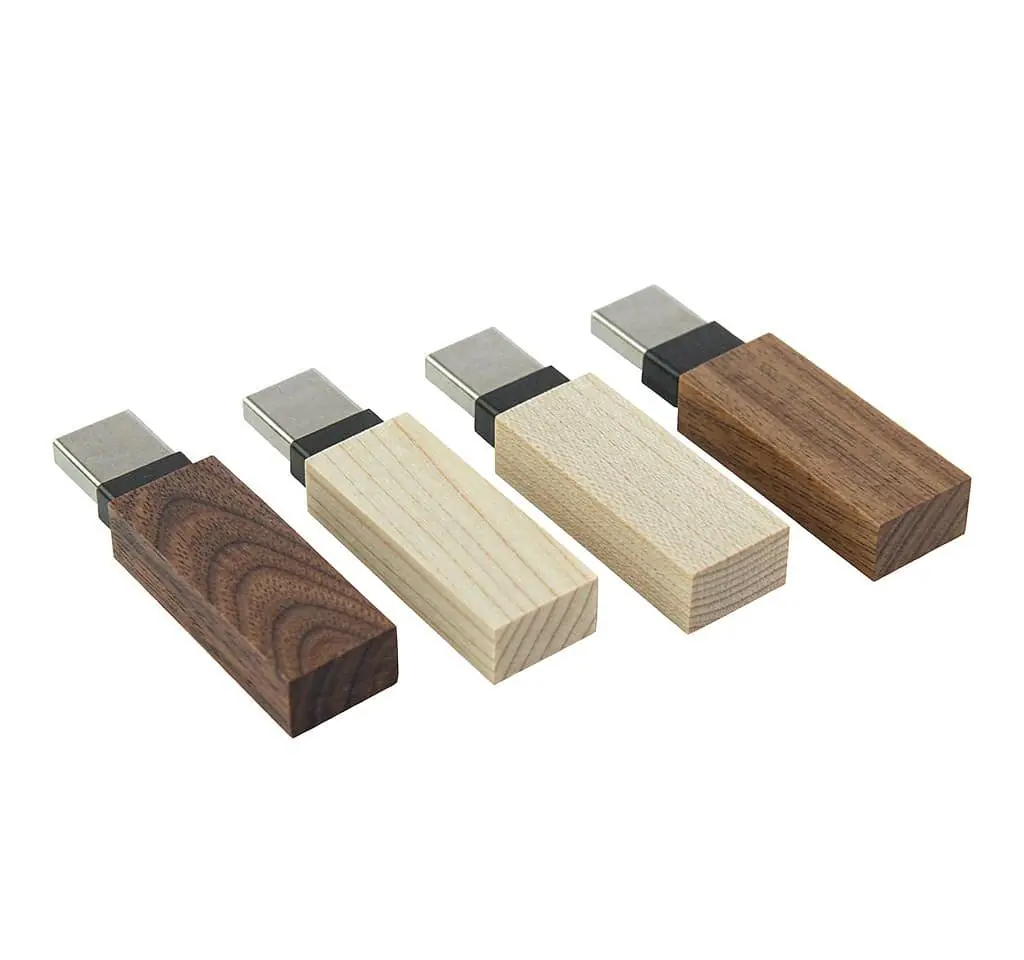
A wooden gift box entering the United States may fall under Lacey Act declaration requirements, but a small finished retail box is a different case from wood packaging used to ship goods, and the rules do not map cleanly onto it. The honest answer is that this depends on the species, the product classification and the current implementation schedule, and it should be confirmed with a customs broker rather than assumed in either direction. What you can control is documentation: species, origin, and a supplier who will state both.
The short answer
It depends on the species, the classification and the destination — and the right move is to ask a customs broker, not to assume.
This is one of the few questions in custom drive packaging where the honest answer is genuinely conditional. Anyone who tells you “yes, all wooden boxes need a declaration” or “no, small boxes are exempt” without asking what the box is made of and where it is going is guessing.
What is not conditional is the documentation. Species and country of origin are the two facts every one of these regimes turns on, and a supplier who cannot state them has created a problem regardless of which rule applies.
| Question | Why it decides the answer |
|---|---|
| Solid timber or composite? | Different treatment under most regimes |
| Which species, botanically? | Declaration schedules are species-based |
| Country of harvest? | Drives due-diligence and risk assessment |
| Is the box the product or the packaging? | Packaging rules differ from product rules |
| Which destination country? | No single global answer exists |
| What HS classification? | Declaration requirements attach to classifications |
Two rules that get mixed up
Almost every confused conversation on this topic is really two different rules being applied to one object.
ISPM 15 is an international standard for wood packaging material — the pallets, crates, boxes and dunnage used to move goods. Its purpose is to stop pests travelling inside raw wood. The familiar visible mark, a stamp with “IPPC” and a country code, is evidence that the wood has been heat-treated or fumigated. Where it applies, it applies to the shipping wood, not to the product inside.
Lacey Act declaration requirements are a US import regime covering certain plants and plant products, introduced to combat illegal logging. The requirement is phased in by product classification according to a published schedule, and enforcement applies to listed items.
A finished wooden gift box shipped as a retail product is, in principle, a product rather than packaging. But how it is classified, whether it is listed in the current schedule, and how a broker treats a box shipped alongside a drive are questions with real consequences and imprecise public answers.
The point is not that nobody knows — it is that the answer is specific to your goods, and a broker can give it in minutes where a general article cannot.
What actually varies between destinations
| Destination | Framework | What it means in practice |
|---|---|---|
| United States | Plant and plant product declaration regime | Classification and species drive the requirement |
| European Union | Timber due-diligence plus plant-health rules for packaging | Documentation and due diligence are the practical burden |
| United Kingdom | Own timber and plant-health arrangements | Similar shape, separate rules |
| Canada, Australia, Japan | National plant-health and forestry rules | Often stricter on raw wood and bark |
The practical consequence: a box design approved for one market is not automatically cleared for another. If you are selling into several countries from one production run, pick a box construction that is boring from a compliance point of view, and spend the design effort on the print.
Where composite materials sit
Composite and engineered wood — MDF, plywood, veneered board — is not automatically simpler. In some respects it is easier, because the material is manufactured to a specification and the species question is confined to what went into it. In others it is harder, because establishing the origin of constituent fibre can be more involved than naming a timber species.
For a small gift box, a common and pragmatic construction is a rigid board box with a wood-effect wrap: light, cheap to print, no species question, no plant-health question, and no risk of cracking in a dry climate. What it lacks is the weight and the smell that make a wooden box feel like a gift.
If you want genuine timber, solid walnut versus walnut veneer covers how the two behave in production and in the hand. The compliance question follows from that choice, not the other way round.
A documentation checklist you can actually use
Whatever the regime, these items are what a broker will ask for, and having them ready is most of the work:
- Species, botanical and commercial. Not “walnut” but the genus, plus the trade name.
- Country of harvest or origin. Where the timber grew, not where it was machined.
- Construction. Solid timber, veneer over board, MDF, plywood, or paperboard.
- Function. Is the box the product, or packaging for the product?
- HS classification. Agreed with the broker, not invented by the supplier.
- Invoice description. Specific enough to support the classification.
- Shipping description. Set or separate lines, stated once and consistently.
A supplier who can answer all seven in a single email is a supplier who has shipped this before. That is worth more than a discount.
What to do before you place the order
Decide the destination first. One box design shipped to five countries is five compliance questions. Do not design before you know where it is going.
Ask the supplier for species and origin, in writing. If they hedge, that is information about them, not about the box.
Ask a customs broker, not a blog. This article can tell you which questions matter and where the rules live; it cannot classify your goods. A broker can, and the cost of asking is trivial against the cost of a held shipment.
Consider whether the wood is doing any work. If the box exists to look expensive, a printed wood effect on rigid board may do the same job for less money, less weight and fewer questions. If the box exists to be kept, real timber earns its complications.
The part that has nothing to do with regulation
Wood moves. It absorbs and releases moisture, it expands and contracts across the grain, and a lid that fits in a humid factory may not fit in a heated warehouse three months later. Tolerances that work for plastic do not translate.
If the box has a fitted insert holding a drive, the fit is affected by that movement. This is a production question rather than a compliance one, but it arrives on the same shipment, and it is the more likely cause of a problem in practice.
The short version
A wooden gift box raises species, origin and plant-health questions that a plastic or paperboard box does not. Whether a formal declaration applies depends on the classification, the species and the destination, and that is a question for a customs broker with your actual goods in hand.
What you can settle now: species, origin, construction, function, classification and invoice wording — all in writing, before the order. Tell us the destination and the box you have in mind and we will put the material and origin facts in writing so your broker can answer the rest in one pass.
Sources
Frequently asked questions
Does every wooden box need a Lacey Act declaration?
No. The Lacey Act declaration requirement, often called the plant and plant product declaration, applies to specific product classifications listed in the implementation schedule published by APHIS, and it is being phased in over time. Whether a particular wooden gift box is on that list depends on how it is classified and on the state of the phase-in. A finished retail box shipped as a product and wood used as shipping packaging are also treated differently. The classification question has to be answered for your specific goods.
Is this the same as ISPM 15?
No, and the two get confused constantly. ISPM 15 is an international standard for wood packaging material — pallets, crates, dunnage — used to move goods, and it is addressed by heat treatment or fumigation plus a stamp. A finished wooden gift box that is itself the product is not wood packaging material in that sense. Both can apply to the same shipment, to different things inside it.
What information should my supplier be able to give me?
Species, in botanical as well as commercial terms, and country of harvest or origin. Those are the two facts that almost every wood-related import question turns on. A supplier who can only say 'walnut' without a species or a country has not given you enough to answer a customs broker, an auditor, or a customer's compliance team. If the supplier cannot state these, that is itself a finding.
Does the country of import change the answer?
Yes, substantially. The United States has its own regime around plant and plant product declarations. The European Union regulates timber through its own due-diligence framework and treats packaging under separate plant-health rules. The United Kingdom, Canada, Australia and Japan each have their own arrangements. There is no single answer that travels, which is why the destination matters more than the box.
What about engineered or composite wood?
Composite materials — MDF, plywood, veneered board — raise different questions from solid timber, because the species and origin of the constituent material can be harder to establish. Some regimes treat certain processed wood products differently from raw timber. This is not a reason to avoid composite; it is a reason to know exactly what the box is made of, because 'wood' is not a material specification.
Can I avoid the question by printing a wood-look finish on paper?
If the wood is decorative rather than structural, often yes. A rigid paperboard box with a printed or laminated wood effect carries none of the species, origin or plant-health questions that solid timber does, and it is usually cheaper and lighter, which also reduces freight. The trade-off is feel: a printed wood effect is convincing in a photograph and obvious in the hand. For a gift box at the premium end, this may not be acceptable.
What should be written on the commercial invoice?
A description specific enough to classify: what the item is, what it is made of, and its use. Vague descriptions such as 'gift box' invite questions and delays. Country of origin should be stated, and the HS classification should be one you and your broker agree on. For a box that accompanies a drive, decide whether it ships as a set or as a separate line, because that affects classification and duty.