
A confidentiality agreement with a flash manufacturer protects your artwork, firmware image and mechanical drawings. It does not cover quality, patent validity or the factory's own IP. Where the line sits, and when to skip it.
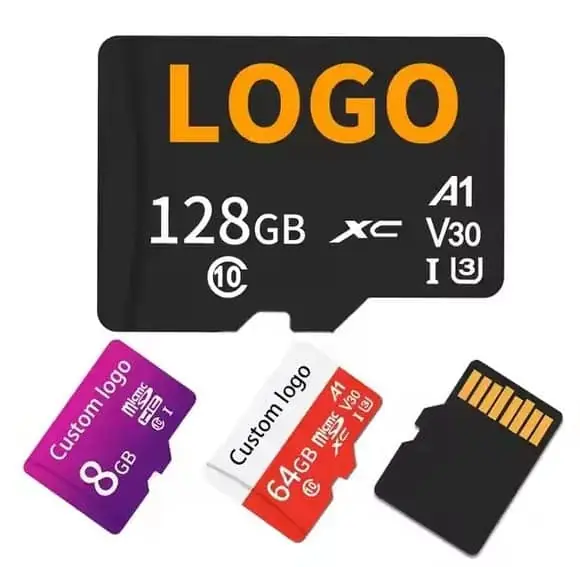
A factory NDA protects information you disclose: your artwork, the firmware image configured for your capacity, your mechanical drawings and your customer list. What it does not do is guarantee product quality, confirm a patent is valid, or lock the factory's own pre-existing IP into your name. The document is narrow by design — it binds disclosure, not performance. Read it for the scope of what is defined as confidential, the carve-outs for the supplier's background IP, and the term length, then put quality, warranty and tooling ownership in separate clauses where they belong.
A narrow document, over-read on both sides
A confidentiality agreement with a flash manufacturer is a narrow document, and buyers over-read it or under-read it. It protects the information you hand over so a competitor cannot receive it through the factory’s other programmes. What it does not do is make the product good, confirm a patent is valid, or transfer the factory’s own manufacturing knowledge to you. Treat it as the boundary around disclosure, not a substitute for a specification, a warranty or a tooling clause. The mistake on both sides is expecting the NDA to carry weight it was never built to carry.
What “disclosure” means on a flash order
On a custom TF card, UDP (USB Disk in Package) module or semi-finished board the confidential items are specific. Your artwork file is one: the logo, the colour positions, the print screen that puts your brand on the plastic. The firmware image is another — the boot configuration and the capacity identity written for your controller and your capacity, not a generic build. Mechanical drawings for a housing or a custom board outline are a third. A fourth is your customer list and ship-to data, which the factory sees when it packs.
That mix is why a one-line “keep it secret” clause fails. Each asset has a different shelf life and a different person who can see it on the floor, so the agreement has to name them or it protects nothing in practice. A buyer who treats the NDA as the whole relationship hands the factory a document that says nothing about the part itself, and then wonders why the part misbehaves.
The tooling link most buyers miss
Most custom flash is not a catalogue part, and the design you disclose ends up embodied in a tool. Published tooling practice sets the calendar: aluminium tools reach T1 samples in 2 to 4 weeks from an approved drawing, steel runs 4 to 8, and complex multi-cavity tools run 10 to 12. A simple engineering change after T1 adds 1 to 2 weeks; a major change such as a side action adds 3 to 5.
Those durations are published tooling practice, not a measurement from our own floor. They matter here because the same document family that holds your NDA often holds the ownership clause for that tool — and the clause, not the confidentiality promise, is what decides who may produce parts from it after the programme ends. An NDA keeps the drawing quiet; the ownership clause keeps the steel yours, or not.
The part data the NDA surrounds
Our own specifications are the figures a buyer should expect to see defined in writing before any confidentiality question arises. The TF card measures 15 × 11 × 1 mm and weighs 0.25 g, covering 4GB to 256GB. The UDP module measures 11.3 × 24.8 × 1.45 mm at 0.819 g. The semi-finished board measures 12 × 44 × 4.5 mm at 3.2 g. Read/write speed is configurable per order rather than fixed by a single number.
None of those dimensions is confidential by itself — they are product facts. What stays confidential is how your version differs: the logo position, the capacity identity in the firmware, the board cut that fits your enclosure. The NDA protects the difference, not the baseline.
What the NDA does not cover
Four things sit outside a confidentiality agreement by convention, and a buyer who assumes otherwise builds the wrong safety net. A confidentiality promise is a single rope; it only holds the one thing you tie to it, and these four are tied elsewhere on purpose.
Quality and yield are governed by the specification and the acceptance plan, not by secrecy. A factory can keep your drawing perfectly quiet and still ship a part that fails the first read-back. Secrecy cannot make silicon reliable; only process control and incoming inspection can. Patent validity is a separate legal question; an NDA confirms nothing about whether your design or the factory’s process infringes anyone. The factory’s background IP — its bonding method, its test routine, its sourcing relationships — is explicitly excluded in most agreements, because nobody signs away their whole business to make your cards. Force majeure and pricing are contract terms, not confidentiality terms.
The carve-outs that decide whether it signs
The clause worth reading twice is the one that names background IP. Standard practice is to carve out everything the supplier already owned or independently developed, so the NDA protects your disclosure without freezing the factory’s general capability. If your draft tries to capture “all IP developed during the engagement,” push back: that wording can sweep in work that has nothing to do with your order and that the supplier will refuse anyway, stalling the programme before the first sample ships.
A cleaner clause lists what is confidential (your artwork, firmware identity, drawings, customer data), states the term, and leaves the supplier’s pre-existing methods where they were. That version signs in days. The broad version negotiates for weeks and still loses.
Term length against the tooling clock
A confidentiality term is measured in years, while the tool that embodies your design is built in weeks. An NDA written to outlive the 2 to 4 week aluminium-tool build by a wide margin is normal; one that expires before the first reorder ships is not. Match the term to the life of the disclosure, not the life of the tool — your logo and customer list stay sensitive long after the steel is paid for, and a short term leaves them exposed at exactly the moment a reorder puts them back in motion.
When the document is wasted
Do not ask a factory to sign an NDA covering a standard part you bought from a public catalogue. There is no disclosure to protect: the datasheet is published, the artwork is none, and the firmware is generic. A commodity channel with a published price schedule is cheaper than us for exactly this reason, and an NDA there adds paperwork without adding safety.
You should not expect the agreement to surface quality problems either. If your real worry is whether the cards read back at full capacity, the document that answers it is the incoming inspection plan, not the confidentiality promise. Skip the NDA and write the test clause instead.
And resist folding the factory’s own know-how into your confidentiality scope. A supplier who signs that is either bluffing or pricing the risk into your unit cost. Neither outcome helps you, and the second one shows up as a higher price on every subsequent order.
Five checks before you sign
- Is the confidential scope named item by item, or is it a blanket “all information”? Blanket wording invites a fight about what was ever covered.
- Are your artwork, firmware identity and drawings each listed, with the person inside the factory who may see them?
- Is background IP explicitly carved out, so the supplier’s methods stay theirs?
- Does the term outlast the tooling build and the first reorder, in that order?
- Are quality, warranty and tooling ownership placed in separate clauses where a court would actually look for them?
An NDA that passes those five is a boundary. One that fails them is either decoration or a trap, and the difference shows up the day something goes wrong — which is the only day the document is ever read.
Frequently asked questions
What does a factory NDA actually protect?
The information you hand over so a competitor cannot reach it through the factory's other programmes. On a custom flash order that means your artwork file and logo positions, the firmware identity written for your capacity and controller, your mechanical drawings for a housing or board outline, and your customer and ship-to data. Each asset has a different shelf life and a different person on the floor who may see it, which is why a one-line 'keep it secret' clause fails and an item-by-item list works.
Does an NDA guarantee the product will be good?
No. Confidentiality and quality are different contracts. A factory can keep your drawing perfectly quiet and still ship a part that fails incoming inspection. Quality and yield are governed by the specification, the acceptance plan and the test routine, not by secrecy. If your real concern is whether the cards read back at full capacity, the document that answers it is the incoming inspection clause following ISO 2859-1 / ANSI-ASQ Z1.4, not the confidentiality promise.
Can an NDA transfer the factory's manufacturing know-how to me?
Not in any agreement a serious supplier will sign. Standard practice carves out everything the supplier already owned or independently developed, so the NDA protects your disclosure without freezing the factory's general capability: its bonding method, its test routine, its sourcing relationships. A draft that tries to capture 'all IP developed during the engagement' sweeps in work unrelated to your order and stalls the programme while both sides argue about scope.
How long should the confidentiality term be?
Long enough to outlive the tool that embodies your design and the first reorder, in that order. Tooling is built in weeks: aluminium tools reach T1 samples in 2 to 4 weeks from an approved drawing, steel in 4 to 8, complex multi-cavity tools in 10 to 12. Your logo and customer list stay sensitive for years after the steel is paid for, so a term measured in years is normal and one that expires before the first reorder ships is not. Match the term to the life of the disclosure, not the life of the tool.
What is the background IP carve-out and why does it matter?
It is the clause that names what stays the supplier's. A clean version lists your confidential items — artwork, firmware identity, drawings, customer data — states the term, and leaves the supplier's pre-existing methods where they were. Without it, a broad confidentiality wording can be read to capture the factory's whole business, which no supplier accepts, so the agreement either never signs or gets priced to absorb the risk. Read that clause twice; it decides whether the NDA is a boundary or decoration.
When is an NDA not worth signing?
When there is nothing confidential to protect. A standard part from a public catalogue has a published datasheet, no artwork and generic firmware, so an NDA there adds paperwork without adding safety — a commodity channel with a published price schedule is the cheaper route. And do not expect the agreement to surface quality problems: skip the NDA and write the test clause instead. Resist folding the factory's own know-how into your scope; a supplier who signs that is either bluffing or recovering the risk in your unit cost.