
A buyer with a product they like — bought from someone else, or made years ago by a supplier who has gone quiet — wants it reproduced. What is actually achievable from a physical sample, what cannot be recovered by looking, and the four questions that decide whether the project is a week or a quarter.
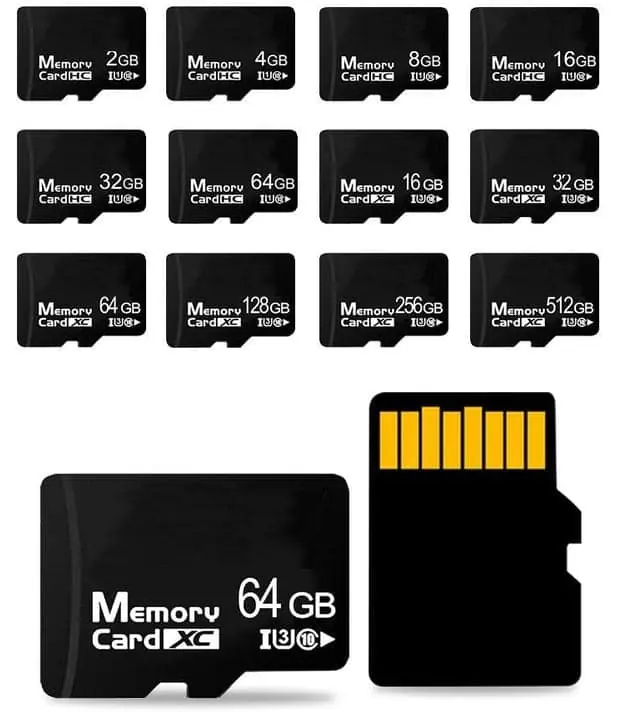
A physical sample can be matched on everything visible and measured: shape, dimensions, colour, weight, marking, and the housing mechanism. It cannot be matched on what is inside unless you can read it — the memory grade, the controller, the endurance, and often the actual capacity. So a sample match divides into two jobs: reproducing the object, which is usually straightforward, and reproducing the performance, which requires either a specification from the original supplier or a decision about what you will accept instead. The honest version of the request is 'here is a sample, here is what matters about it, and here is what I do not know'.
The request, and what it really contains
“Can you match this sample?” sounds like one question. It is four:
- Can you reproduce the object?
- Can you reproduce what it does?
- Should you be reproducing it at all?
- What do you actually need from it?
The fourth is the one that decides the project, and it is the one buyers answer least often.
What a sample can tell you
Everything external and measurable. Dimensions to a fraction of a millimetre, weight on a scale, colour under a defined light source, surface finish, the mechanism, the position and size of every marking, the wall thickness if it can be sectioned.
That is genuinely most of the work. Building a tool from a physical sample is well-trodden; a competent toolmaker measures the part, accounts for shrinkage, and cuts a tool. What the tool costs and who owns it applies as it would to any new mould.
Capacity can be measured with software. Read and write speed can be measured with a stopwatch and a large file. Both are cheap and both are worth doing before you send the sample anywhere, because the results are often surprising — a drive that has been in service for three years may report a capacity it never truly held.
What a sample cannot tell you
The interior, in one sentence. Grade, endurance, controller, and how much of the capacity is real are all invisible from outside, and all of them are decided at incoming inspection by whoever assembles the product — which is to say, upstream of the object you are holding.
Endurance especially. A sample can be tested to destruction, which tells you how that one unit behaved, not what the grade is, and it consumes your only reference.
So a “sample match” splits cleanly:
| What | Recoverable from a sample | How |
|---|---|---|
| Shape, dimensions, weight | Yes, precisely | Measurement |
| Colour and finish | Yes, with a physical reference | Colour matching |
| Mechanism, fit | Yes | Sectioning if necessary |
| Marking layout | Yes | Artwork redraw |
| Capacity as delivered | Yes | Software measurement |
| Read/write speed | Yes | Direct test |
| Memory grade | Rarely | Marking, if housing opens |
| Controller | Rarely | Marking, if housing opens |
| Endurance | No | Destructive estimate only |
The question that decides the timeline
Do you know the original specification, or not?
If yes, the project is normal. The interior is a build to a stated specification; the exterior is work from the sample. This is the fast path.
If no, the interior has to be decided rather than reproduced, and that decision is yours. Three approaches, in order of how well they usually work:
Ask the original supplier. Sometimes still reachable, sometimes not, and occasionally willing to say what they built even if they are no longer quoting. A grade name is a small thing to give away and a large thing to receive.
Infer from the application. If the original product was a promotional gift sold in volume, it was not built to an endurance specification. If it was a component in a device that has been in service for years, it probably was. The application tells you what the product had to do, and the grade follows.
Decide what you will accept. Set your own specification based on what the product needs to do, and accept that it may differ from the original. This is usually the right answer and almost never the one buyers arrive with, because it feels like giving up on accuracy. It is not — it is replacing an unknown with a known, which is an improvement.
The legal question, briefly and honestly
We cannot give general advice on whether a given sample is yours to copy. What is clear enough to state:
- Reproducing your own previous product, or a generic housing that no one claims, is unproblematic.
- Reproducing a shape that belongs to another company may raise design-right questions in some jurisdictions.
- Building units that carry another company’s logo or trade dress is something we will not do.
If the sample came from a competitor and you want it reproduced exactly, that is worth a conversation before you ship it — not because the answer is automatically no, but because the answer depends on facts about the specific product.
What to send, and in what form
The message that makes this project move:
Attached is a sample we would like reproduced. What we like: [shape, weight, mechanism]. What we would change: [whatever]. Quantity: [n] units, with [n] expected over [period]. What we know about the original: [capacity, source, anything]. What the product has to do: [use case, environment, expected life]. The sample is ours to copy / we have the right to ask for this. Please tell us (a) what can be matched exactly, (b) what cannot, and (c) what you need from us to quote.
Include the sample physically — photographs cannot substitute, because a photograph has no weight or thickness.
What we will tell you that a template will not
Two things, both of which sometimes end the enquiry sooner than the buyer expected.
First, which parts of the sample are worth matching and which are not. Buyers often arrive attached to details that cost money and cannot be seen in use, and indifferent to details that determine whether the product survives. A supplier who has built the category can tell you which is which, and it is worth listening.
Second, when the sample is not a good basis for a product. A housing designed for a one-off promotional run may not be robust enough for a product in daily use for five years. Copying it faithfully would reproduce its weaknesses. This is worth saying out loud before a tool is cut.
If you have a sample and a rough idea of quantity, send both and we will answer the four questions — including the fourth one, about what you actually need from it — before quoting anything. Cathy will tell you whether it can be built on an existing tool or needs a new one, which usually sets the schedule more than anything else in the project.
Frequently asked questions
Can you copy a product exactly from a physical sample?
The visible and measurable parts, yes — dimensions, weight, colour, surface finish, mechanism, marking layout. Where it becomes difficult is anything that cannot be measured from outside: the grade of memory inside, the controller, the endurance, the actual capacity versus the claimed capacity. A sample can also be measured precisely enough to build a mould from, which is real work but well-understood. The rule of thumb is that a sample tells you what the object is and does not tell you what it will do after two years of use.
Is copying someone else's product legal?
This is not a question we can answer generally, and it is not only about the object. Reproducing a shape that belongs to someone else may raise design-right questions in some jurisdictions; reproducing a brand's logo or trade dress raises different ones. What we will do is reproduce geometry and finish for a buyer who has the right to ask — for instance their own previous product, or a generic housing. What we will not do is build units carrying another company's branding or pass off a product as another manufacturer's. If in doubt, ask before sending the sample.
How long does matching a sample take?
Weeks if the sample can be built on an existing tool with a colour match and new artwork. Longer if it needs a new mould, because the tool has to be cut and sampled first. The big variable is not the copying, it is what you want to happen about the inside: if you can supply the original specification, the interior is a normal build. If you cannot, you have to decide what you will accept, and that decision is usually what holds the project up.
What should I send with the sample?
The physical sample, plus four things in writing: what you like about it and what you do not, what the product has to do in use, what quantity you expect, and whether you know anything about the original specification. That last one is the most valuable and most often omitted — even a partial answer, such as the original capacity or the brand of the finished product, narrows the interior enormously. Also state whether the sample is yours to copy, since that determines what we can do with it.
Can you tell me what is inside the sample?
Sometimes. Capacity can be measured. Read and write speed can be measured. Endurance can be estimated but not established without destructive testing, and a destructive test consumes the sample. Grade and controller can sometimes be read from markings if the housing can be opened non-destructively, and cannot be read at all if it is a sealed COB. If you need to know what is inside, say so at the start — testing a sample takes time and the result may be 'we can describe its behaviour but not its grade'.