
A new mould for a USB housing is a five-figure sum in most cases, and what it buys is more complicated than buyers assume — a physical asset with a life measured in shots, an ownership question, and a negotiation about who carries the risk if the design changes. Here is what the fee covers, the four commercial arrangements, and what a waiver actually means.
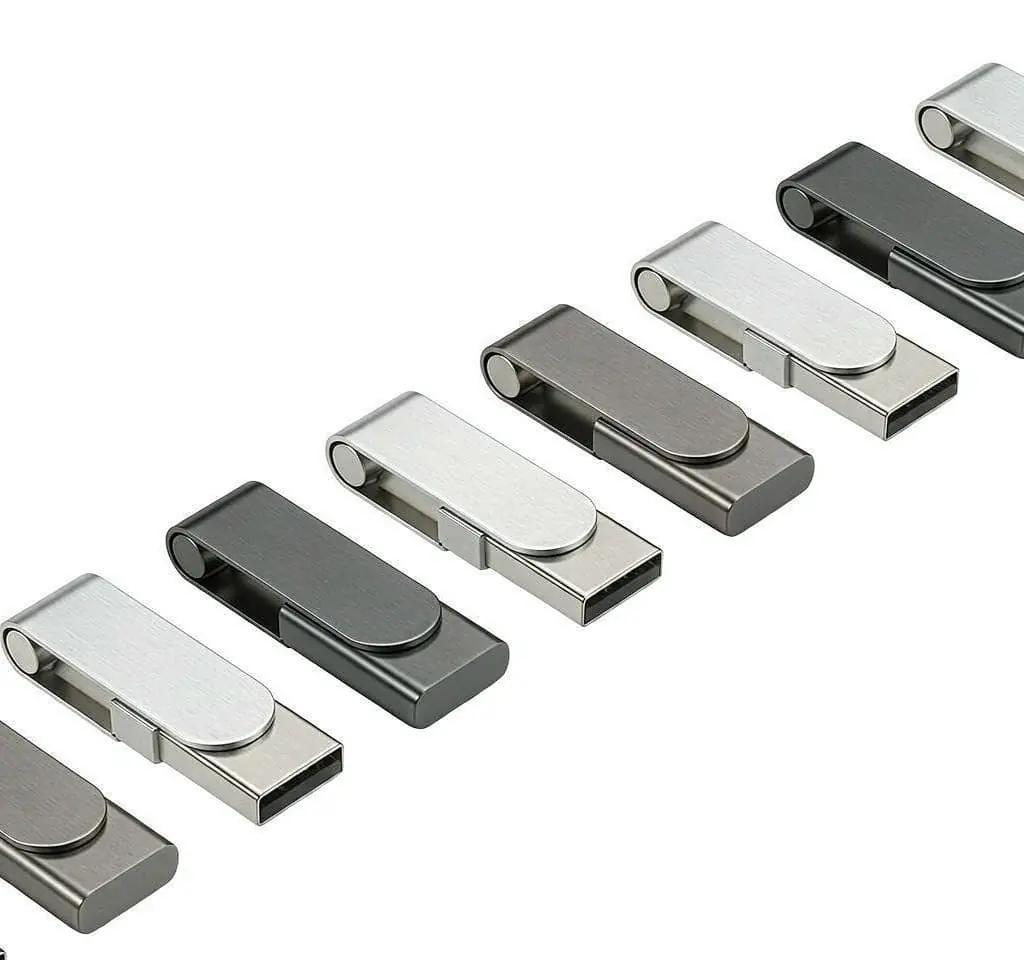
A custom mould is tooling — a steel or aluminium block cut to your housing shape — and its cost is set by cavity count, material, complexity and the number of sliding actions the design needs. Typical figures sit in the low-to-mid five figures in USD for a simple housing, and the tool has a finite life measured in shots, not years. The fee buys the tool and, in most arrangements, ownership of it. Four commercial patterns exist: you pay and own; you pay and it is amortised into the unit price; the factory owns it and charges nothing but keeps it; or the cost is shared across agreed volume. A 'waived' tooling fee is never free — it is either amortised, conditional on volume, or recoverable later.
Four questions arrive as one
“How much is the mould?” is really four questions: what does the fee cover, who owns the result, how long until I have parts, and can I avoid paying it. They get answered separately below, because bundling them is how buyers end up surprised.
The fifth question — do I need one at all — comes first, because it can remove the other four.
Do you actually need a mould?
Tooling is required when the housing shape is new. That is a narrower condition than most buyers assume when they ask for a custom drive.
None of the following needs a new mould:
- Your logo printed, laser-etched or engraved on an existing body
- A different colour, including a Pantone match, on an existing body
- An existing body with a different capacity inside
- A standard body with custom packaging
- A combination of existing front and back covers, if the tool set allows it
All of these are “custom” in the sense that matters to your customer and none of them carries a tool charge. See how to get a custom shape without paying for a new mould for what is achievable this way.
What does need a mould: a shape that does not exist, a proportion change, a new mechanism, a closure system, a specific dimension that no catalogue body meets. That is a genuine engineering project and it is priced as one.
What the fee covers
A mould is a block of steel or aluminium machined to form the part. The cost decomposes into four variables, and a supplier who cannot decompose it is quoting a feeling.
| Variable | What it changes | Direction |
|---|---|---|
| Cavity count | Parts produced per cycle | More cavities, more build cost, lower unit cost |
| Tool material | Hardened steel vs aluminium | Steel costs more, lasts far longer |
| Complexity | Undercuts, slides, fine detail | Each feature adds machining and failure risk |
| Surface finish | Texture, gloss, polish level | Finer finish, more bench work |
Two buyers can be quoted wildly different figures for what sounds like “a plastic USB housing” and both be correct, because one is asking for a single-cavity aluminium tool for a short programme and the other for a multi-cavity hardened tool built to run for years.
Ask which you are being quoted. Not to negotiate — to know what you are buying. A tool with a short life is fine for a one-off event; it is a poor foundation for a product you intend to sell for five years.
Who owns it
The default should be stated in writing and rarely is. If you paid a tooling charge, the reasonable position is that you own the tool. Whether the agreement reflects that is a separate matter.
What ownership buys you is mobility: a tool you own can, in principle, be moved to another moulder. That is not free — a tool has to be dismantled, transported, re-qualified at the new site and sampled again — but it is possible, and possible is what matters when a supplier relationship ends badly. Moving a tool is harder than moving a file, and worth understanding before you need it.
Three things to get in writing:
- Who owns the tool, by name of legal entity.
- Where it is stored between orders, and who pays for storage.
- Under what conditions it is released — usually on settlement of outstanding invoices, which is a fair condition, but it should be stated rather than invoked later.
If your tooling was amortised into the unit price rather than charged separately, expect the factory to regard the tool as theirs. That is a legitimate arrangement, and the trade is that you paid less upfront for less control. Decide which you want before you accept the structure.
Can it be waived
Never free. Three real forms:
Amortised. The tool cost is folded into the unit price. You see no tooling line. You pay more per piece, and unless the volume is very large, the total usually exceeds the standalone fee. This is the most common form and the least transparent — ask for the amortisation worked out, so you know what you are paying and when it stops.
Conditional. Waived against a stated volume, with the fee recoverable if the volume is not reached. This is fair when genuine, and it makes the volume commitment contractual rather than aspirational. Get the condition in the agreement: what volume, over what period, and what happens if you fall short.
Bundled. Absorbed because the factory expects ongoing business on a standard product, or because the tool will be reused for other customers. Fine, and worth knowing which, because a tool built to be reused for others will not be exclusive to you.
The pattern to be careful about is a waiver with no written condition. If the tool is not charged and not discussed, the supplier retains every option and you retain none.
How the schedule actually runs
Tooling sits at the front of a first order and it is usually the longest single element. A simple housing tool takes several weeks from an approved drawing to first shots. Those first shots are then measured, corrections are made, and the tool is sampled again — a round that can add days or weeks depending on how close it was.
This is why a first order with a new mould cannot be compressed the way a repeat order can. Anyone quoting you a two-week delivery on a bespoke housing is either using an existing tool or not being straight about the schedule. Where the days actually go breaks the sequence down, and why lead time moves explains which parts are yours to control.
The decision, stated plainly
If your product can live in an existing housing, do that. You save the fee, the lead time, and the ownership question, and your customer will not know the difference unless the shape is the point of the product.
If the shape genuinely is the product — a promotional item where the object itself carries the brand, a device where the enclosure is the design — then budget for the tool, ask for the decomposition, establish ownership in writing, and expect the schedule to be set by the tool rather than by production.
What you should not do is accept an amortised tool without knowing the amortisation, or a waived tool without a written condition. Both feel like a saving at the time and both are how buyers end up locked to a supplier they would otherwise have left.
If you are unsure which side of this line your design falls on, send the drawing or even a sketch — Cathy will tell you whether it can be built on an existing tool, and if it cannot, what drives the cost. The custom tooling threshold question covers the volume side of the same decision.
Frequently asked questions
Is tooling always needed for a custom USB drive?
No, and this is the most useful thing a buyer can learn early. Tooling is needed only when the housing shape itself is new. Changing colour, printing a logo, engraving metal, choosing an existing body from a catalogue, or combining standard front and back covers — none of those need a mould. A large share of 'custom' requests are answered with an existing tool plus branding, which removes both the charge and the tooling lead time. Ask whether your design can be built on a tool that already exists before assuming it cannot.
What determines the cost of a new mould?
Four variables. Cavity count — a tool producing several parts per cycle costs more to build and less per part to run. Material — hardened steel lasts far longer than aluminium and costs accordingly. Complexity — undercuts, sliding actions and fine detail each add machining and add failure points. And surface finish — a textured or high-gloss finish needs different work than a matte one. The quote should decompose into these; if it is one round number with no explanation, ask what drives it.
Who owns the mould after the order is finished?
Whoever paid for it, unless the agreement says otherwise — and this should be written down, not assumed. If you paid a tooling charge, ask for a clause naming you as the owner and stating where the tool is stored between orders and under what conditions it can be moved. If the tooling was amortised into your unit price, the position is weaker and worth checking: an amortised tool is often the factory's. The practical consequence is what happens when you want to move to another supplier — a tool you own can follow you, one you do not own usually cannot.
Can the tooling fee be waived?
It can be restructured, which is not the same thing. Three common forms. Amortised: the tool cost is spread into the unit price and you never see a separate line, which means a higher per-piece figure and a total that usually exceeds the standalone fee. Conditional: waived for a stated volume, with the fee recoverable if you do not reach it. Bundled: absorbed because the factory expects repeat business on a standard product. None of these is a gift, and the version to be careful of is a waiver with no written condition, because the condition will appear later.
How long does a new mould take, and how long does it last?
A simple housing tool typically takes several weeks from approved drawing to first shots, then a sampling and correction round that can add more. That lead time sits at the front of your schedule, before any production begins, and it is usually the longest single element in a first order. Life is measured in shots — how many times the tool can cycle before wear affects dimensions. A hardened steel tool runs into very large shot counts; an aluminium or prototype tool much less. Ask which you are being quoted, because the price difference reflects a real difference in how long the tool will serve a repeat programme.